2026 Best Greenhouse Grow Lights for Optimal Plant Growth and Yield
In the world of indoor gardening, greenhouse grow lights play a crucial role. These lights simulate sunlight, supporting plant growth even in limited natural light. For growers, choosing the right lighting is essential. The features of grow lights can directly impact yield and the health of plants.
A variety of greenhouse grow lights exist, from LED to fluorescent models. Each type has its pros and cons. LED lights, for example, are energy-efficient and long-lasting but can be costly upfront. On the other hand, fluorescent options are more affordable but may require more frequent replacements. Understanding these differences is vital for maximizing productivity.
Investing in optimal greenhouse grow lights requires careful thought. Not all plants respond the same way to different lights. Some may thrive under intense conditions, while others prefer softer illumination. Growers often face the challenge of balancing light intensity and energy efficiency. Finding the right solution can elevate plant growth and overall garden success.
Advantages of Using Greenhouse Grow Lights for Plant Growth
Using greenhouse grow lights has become essential for optimal plant growth. These lights provide the right spectrum of light, ensuring plants receive the energy they need. Research from the Horticultural Research Institute indicates that proper lighting can increase yields by up to 30%. This statistic highlights the importance of investing in quality grow lights.
Temperature control is another advantage of these lights. They not only illuminate but also help regulate heat. This balance can prevent some common plant ailments. However, over-reliance on artificial lighting can create problems. Some growers find that their plants become too dependent. The seedlings can struggle when transferred to natural conditions. A careful transition plan is necessary for success.
Moreover, energy efficiency is a critical factor. Reports suggest that modern LED grow lights consume up to 60% less energy compared to traditional bulbs. However, the initial investment can be daunting for some growers. While the long-term savings are evident, the upfront costs may push potential users away. Finding a suitable balance between investment and yield is crucial for successful greenhouse management.
Types of Greenhouse Grow Lights: LED, HPS, and Fluorescent
When choosing grow lights for your greenhouse, consider the three main types:
LED, HPS, and fluorescent. Each type has unique benefits and drawbacks.
LED lights are energy-efficient and long-lasting.
They can produce specific light spectrums to support various plant growth stages.
However, the initial cost can be higher compared to other options.
HPS lights are popular due to their ability to produce intense light and promote flowering.
They often yield a high return on investment, but they consume more energy and produce significant heat.
Regular maintenance is required to keep them functioning optimally.
Fluorescent lights are ideal for seedlings and small plants.
They are cost-effective and easy to handle, but their light intensity may not be sufficient for larger plants.
Tips:
Remember to monitor the temperature around your lights.
Excessive heat can stress plants.
Keep lights at recommended distances to avoid burning foliage.
Always plan your light schedules based on plant requirements.
Measure how much light your plants are actually receiving.
This can guide better choices in the long run.
Factors to Consider When Choosing the Best Grow Lights
Choosing the right grow lights is crucial for plant growth. Light spectrum plays a significant role. Plants need blue light for healthy leaf development and red light for flowering. Understanding these needs can help you select the best light for your greenhouse.
This decision shouldn’t be rushed. Think about the size of your growing area. A small garden may need lower wattage lights, while larger spaces might require more powerful options. Consider energy efficiency, too. Some lights consume more power, impacting your bills over time. Balance cost with functionality for the best results.
Pay attention to the heat output as well. Excessive heat can harm plants. A well-designed ventilation system can help, but it adds complexity. You might struggle to achieve the right balance. Lastly, reflect on your plants' growth stages. Different stages may require different lighting setups. Adapting to these needs can feel overwhelming, but it's essential for maximizing yield.
2026 Best Greenhouse Grow Lights for Optimal Plant Growth and Yield
| Light Type |
Wattage |
Spectrum |
Lifespan (Hours) |
Heat Output |
Price Range |
| LED |
200W |
Full Spectrum |
50,000 |
Low |
$150 - $280 |
| HID (High-Intensity Discharge) |
400W |
Blue/Red |
20,000 |
High |
$120 - $250 |
| CFL (Compact Fluorescent Lamp) |
125W |
Full Spectrum |
10,000 |
Low |
$30 - $80 |
Tips for Setting Up and Positioning Grow Lights Effectively
Setting up greenhouse grow lights effectively requires careful planning and positioning. Light intensity is crucial for plant growth. Studies show that plants generally require 12-16 hours of light daily. When lights are positioned too high, some plants may not receive enough light. This can stunt growth and reduce yields.
Positioning lights at the right height enhances light absorption. A distance of 12 to 24 inches above the plant canopy is often recommended. This varies based on the type of light used. For instance, high-intensity discharge (HID) lights may need to be further away than LED lights. Regularly adjust the height as plants grow. This might seem tedious but is vital for optimal growth.
Monitoring light distribution is equally essential. Uneven lighting can lead to leggy plants, as they bend towards brighter areas. Using reflectors can help improve light spread. However, take care! Sometimes over-reliance on reflectors can create hotspots. These can scorch plants if not managed well.
Regular adjustments and assessments will lead to better results. Knowing when to reposition and the ideal distance can make a significant difference. The goal is to maximize light without overwhelming the plants. Efficient grow light setup directly impacts plant health and yield.
2026 Best Greenhouse Grow Lights Performance Comparison
This chart showcases the average light output (PPFD in µmol/m²/s) of different types of greenhouse grow lights optimized for 2026. The data reflects the effectiveness of each type in enhancing plant growth and yield.
Maintenance and Lifespan of Greenhouse Grow Lights
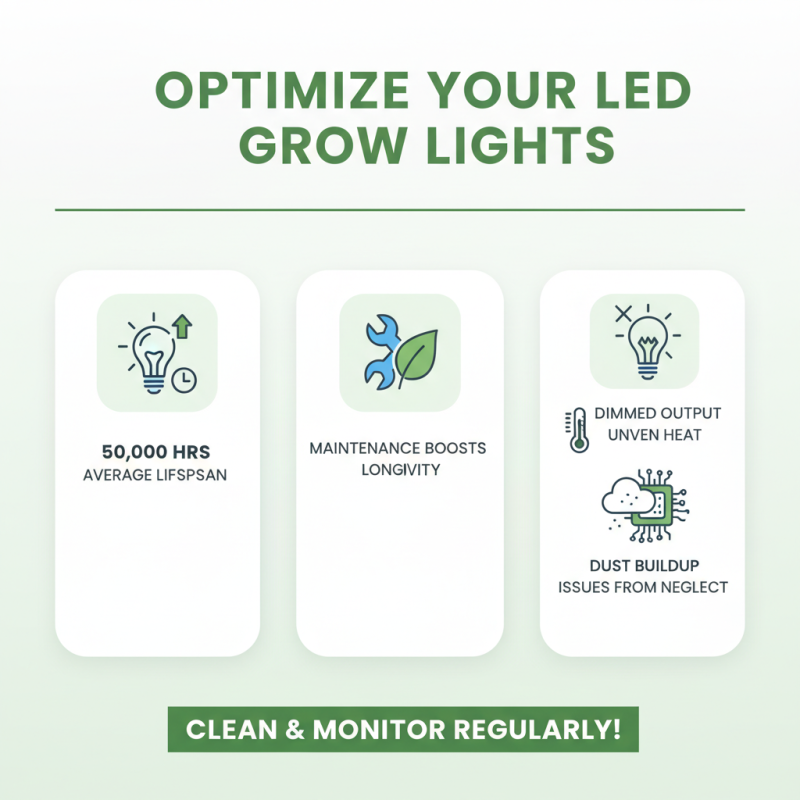
When selecting greenhouse grow lights, maintenance and lifespan are crucial factors. On average, LED grow lights last around 50,000 hours. However, inadequate maintenance can significantly shorten their lifespan. Dimmed light output, uneven heat distribution, and dust accumulation can all affect performance. Regular cleaning and monitoring can prevent these issues.
Understanding the cooling mechanism is important too. Some lights generate substantial heat. Without proper ventilation, this can reduce the grow light's efficiency. A well-designed cooling system can help maintain optimal temperatures. Studies show that temperature fluctuations can affect plant growth rates by up to 20%.
Light color spectrum also matters. Different plants require various wavelengths for growth. Using the wrong spectrum can lead to slower growth and poor yield. Regularly assessing the light spectrum and adjusting it can optimize plant vitality. As with any technology, progress often reveals the need for adaptability in methods and tools.