Top Best Architectural Aluminum Extrusions for Your Projects?
Architectural Aluminum Extrusions play a crucial role in modern design projects. They offer strength, versatility, and aesthetic appeal. Architects and builders are increasingly embracing these components for both residential and commercial applications.
The rise in popularity can be attributed to their lightweight nature and durability. These extrusions can be easily shaped to fit various architectural styles. However, not all extrusions are created equal. Selecting the right type requires knowledge and experience. Some designs may not meet structural needs, leading to unexpected challenges.
In this guide, we will explore the top architectural aluminum extrusions available today. Expert insights and case studies will illustrate their application and effectiveness. Additionally, we will highlight potential pitfalls in choosing the wrong extrusion for your project. Understanding these elements is essential for achieving the desired outcome.
Top Applications of Architectural Aluminum Extrusions in Construction
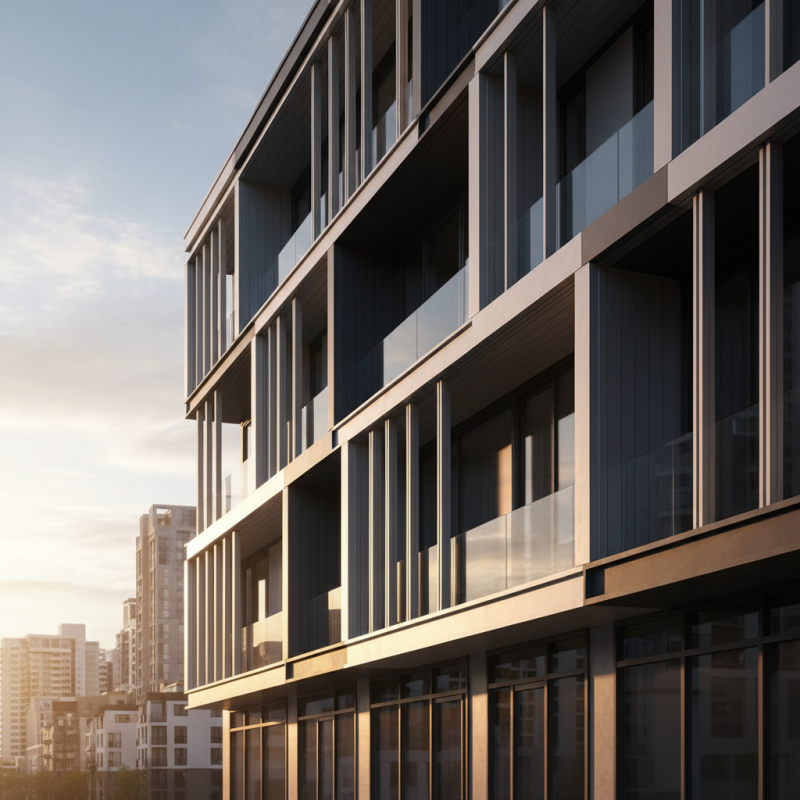
Architectural aluminum extrusions serve various crucial applications in the construction industry. Their lightweight properties make them ideal for window frames and curtain walls. These components provide durability while allowing for intricate designs. Architects often utilize these extrusions to enhance the aesthetic appeal of buildings. The versatility of aluminum also allows for easy customization, which can meet specific project requirements.
In addition to façades, aluminum extrusions are common in interior applications. They are often used in railings, partitions, and ceiling systems. Aluminum's resistance to corrosion and weathering makes it suitable for both indoor and outdoor settings. However, not all extrusions are created equal. Some may not meet the necessary strength or insulation standards, leading to potential issues. It's essential to consult with experts to choose the right materials for your project.
Sustainability is another critical factor. Many architects are now prioritizing eco-friendly materials in their designs. Aluminum is highly recyclable, but not all suppliers follow sustainable practices. Therefore, due diligence is necessary to ensure that the aluminum used aligns with environmental goals. Taking these considerations into account can lead to better project outcomes and more responsible construction practices.
Key Properties and Benefits of Architectural Aluminum Extrusions
Architectural aluminum extrusions are prized for their strength and versatility. They serve various applications, from structural supports to decorative elements. This material offers a lightweight solution, making it ideal for large projects. Architects love its ability to be customized, allowing intricate designs and smooth finishes.
The corrosion resistance of aluminum is a major advantage. It withstands the elements without losing integrity. This longevity reduces maintenance costs over time. Additionally, aluminum is energy efficient. It reflects heat, reducing energy consumption in buildings. The sustainability aspect cannot be overlooked. It’s recyclable, contributing to eco-friendly construction practices.
Designing with aluminum extrusions requires thoughtful consideration. While the material is durable, it can be prone to scratches. This might impact the final aesthetic. Proper finishing techniques are essential for a polished look. Reevaluating design choices helps maximize the benefits of aluminum. Balancing functionality and beauty is key. Understanding these properties allows for better decision-making in architectural projects.
Top Best Architectural Aluminum Extrusions for Your Projects
Leading Manufacturers of Architectural Aluminum Extrusions in 2023
Architectural aluminum extrusions are essential in modern design. In 2023, several manufacturers lead the industry, showcasing their expertise and innovation. These companies excel in producing customizable profiles, allowing architects to create unique, functional spaces. Their advanced production technology ensures precision and high-quality finishes. This level of detail is crucial, as it enhances both aesthetics and durability.
Quality matters. Many manufacturers focus on sustainable practices, looking to reduce waste and energy consumption. However, some still struggle to implement these methods effectively. The best companies prioritize both the environment and product performance. This balance can be challenging to achieve but essential for long-term success.
Additionally, selecting the right extrusion can be daunting. Each project has different requirements. Some are driven by aesthetics, while others prioritize structural integrity. Misunderstandings may arise between architects and suppliers. Clear communication is key, ensuring everyone is on the same page. This collaborative effort is often overlooked but vital for a successful outcome. The landscape for architectural aluminum extrusions continues to evolve, shaped by both need and innovation.
Top Best Architectural Aluminum Extrusions for Your Projects
| Type of Extrusion | Application | Thickness (mm) | Finishing Options | Weight (kg/m) |
| Framing Sections | Windows & Doors | 1.2 | Powder Coated | 5.0 |
| Sheet Extrusions | Curtain Walls | 2.5 | Anodized | 7.2 |
| Structural Profiles | Building Supports | 3.0 | Brushed Finish | 10.0 |
| Channel Extrusions | Signage & Displays | 1.5 | Polished | 4.0 |
| Barrels | Railings & Fences | 2.0 | Coated | 6.5 |
Sustainability and Recycling of Architectural Aluminum Extrusions
Architectural aluminum extrusions are increasingly recognized for their sustainability. Aluminum is one of the most recycled materials globally. In fact, over 75% of all aluminum produced is still in use today. This impressive statistic highlights the long lifecycle of aluminum products. Recycling aluminum requires only 5% of the energy needed to produce new aluminum from raw materials, significantly reducing carbon emissions.
Moreover, the production of aluminum exerts an undeniable impact on the environment. While manufacturers strive to enhance their practices, the mining process generates waste and energy consumption. It’s crucial for the industry to address these challenges. Innovations in recycling and sustainable sourcing are pivotal. For instance, using post-consumer waste can improve the ecological footprint of architectural projects.
Designers often face a dilemma: balancing aesthetics with environmental responsibility. Aesthetic demand should align with sustainable practices. Aluminum extrusions can be designed to minimize waste and energy use. Ultimately, reflecting on these aspects can lead to better architectural solutions. The industry must continually adapt its practices to ensure that the future of architectural aluminum is both beautiful and sustainable.
Innovative Design Trends Utilizing Architectural Aluminum Extrusions
Architectural aluminum extrusions are gaining popularity in modern design. Their versatility and strength make them ideal for various applications. From façades to interior elements, these materials can elevate any project. Designers are increasingly seeking innovative ways to utilize these extrusions effectively.
One trend is the integration of aluminum with glass. This combination creates a sleek, modern look. It allows for expansive views while maintaining structural integrity. However, designers must consider thermal performance. Poor insulation can lead to energy inefficiencies. Balancing aesthetics and functionality is essential.
Tips for utilizing architectural aluminum involve thoughtful planning. Consider the weight of the extrusions during design. Ensure your structure can support the materials. Explore various finishes like anodizing or powder coating. These not only add color but also enhance durability. Lastly, stay updated on industry developments. Innovation is constant, and being informed can inspire your next project.