Top 10 Benefits of Using LED Grow Lights for Indoor Gardening
In recent years, indoor gardening has gained immense popularity among plant enthusiasts and urban dwellers alike, leading to a growing interest in effective lighting solutions. One of the most significant advancements in this area is the use of LED grow lights. These innovative lighting systems offer a range of benefits that can enhance the indoor gardening experience. From promoting healthy plant growth to providing energy efficiency, LED grow lights have become an essential tool for both novice and experienced gardeners.
The versatility of LED grow lights allows them to cater to various types of plants and growing environments. By mimicking the spectrum of natural sunlight, they ensure that plants receive the appropriate light needed for photosynthesis, which is crucial for their development. Moreover, LED grow lights are designed to be energy-efficient, reducing electricity bills while delivering optimal performance. This makes them an attractive option for those looking to cultivate plants indoors, regardless of the available space or resources.
As we delve deeper into the myriad advantages of using LED grow lights for indoor gardening, we will explore how they can transform your gardening practices, leading to healthier plants and more bountiful harvests. Whether you're growing herbs on your kitchen windowsill or cultivating a mini indoor rainforest, understanding the benefits of LED grow lights can greatly enhance your gardening endeavors.
Advantages of LED Grow Lights Over Traditional Grow Lights
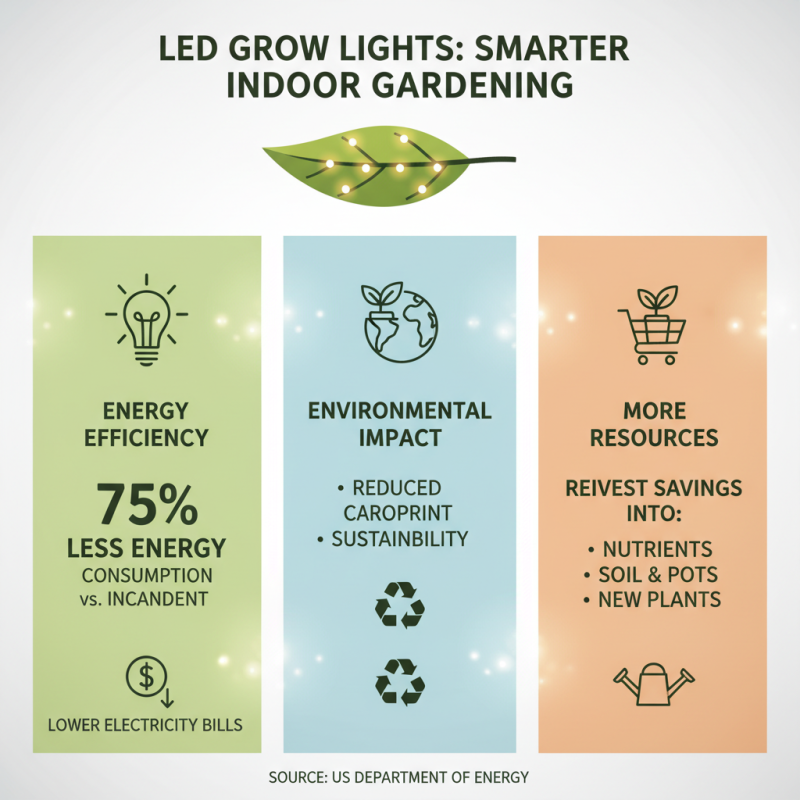
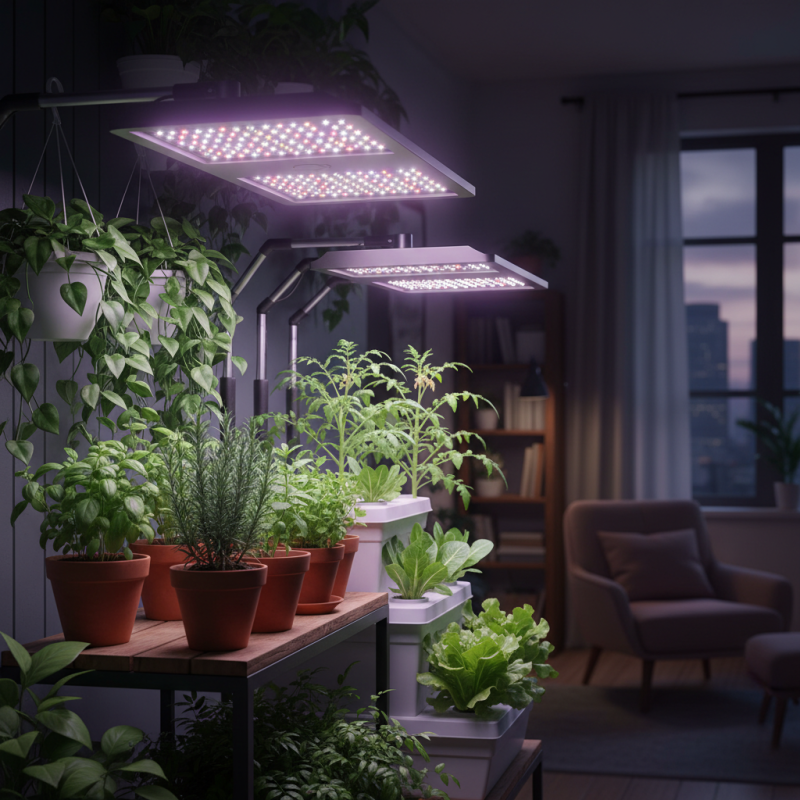
When it comes to indoor gardening, LED grow lights have become the preferred choice for both amateur growers and seasoned horticulturists. One of the significant advantages of LED grow lights over traditional grow lights lies in their energy efficiency. According to a report by the U.S. Department of Energy, LED lights consume about 75% less energy than incandescent bulbs, resulting in lower electricity bills over time. This energy efficiency not only helps to mitigate environmental impact but also enables growers to allocate their budget toward other essential gardening resources.
Furthermore, LED grow lights produce less heat compared to traditional options like fluorescent or high-pressure sodium lights. This reduction in heat minimizes the risk of burning delicate plants and allows for closer placement of the lights to the crops. As a result, growers can achieve optimal light intensity without compromising plant health. Research from the University of Florida highlighted that this characteristic allows for enhanced growth rates and higher yields, making LED lighting an advantageous investment for anyone serious about indoor gardening.
Tips: To maximize the benefits of LED grow lights, ensure that you choose the right spectrum for the specific growth phase of your plants. For instance, blue light is essential for vegetative growth, while red light can enhance flowering stages. Additionally, regularly monitor the distance between the lights and the plants to ensure that they receive adequate light without the risk of heat damage.
Energy Efficiency and Cost Savings with LED Grow Lights
Using LED grow lights for indoor gardening is an innovative solution that not only enhances plant growth but also provides significant energy efficiency and cost savings. Unlike traditional lighting systems, LED lights consume less power while delivering the optimal light spectrum necessary for photosynthesis. This translates to lower electricity bills and a reduced carbon footprint, making LED grow lights an environmentally friendly choice for indoor gardening enthusiasts.
To maximize savings, consider implementing a timer for your grow lights. Timers help regulate the light cycle, ensuring that plants receive the right amount of light without waste. Additionally, invest in LED systems with adjustable intensity settings. This allows you to customize light output based on the plant's growth stages, further optimizing energy use.
Another tip for ensuring energy efficiency is to position your LED grow lights appropriately. Proper placement reduces the need for higher wattage lights, enabling you to utilize less powerful options that still meet the plants’ needs. By maintaining a proper distance between the lights and plants, you can achieve the best growth outcomes while keeping energy consumption to a minimum.
Enhanced Plant Growth and Development Using LED Technology
The use of LED technology in indoor gardening has revolutionized the way plants grow and thrive. One primary advantage of LED grow lights is their ability to emit a spectrum of light that is specifically tailored to meet the photosynthetic needs of plants. This specificity allows for enhanced growth rates and more robust plant development compared to traditional lighting systems. By mimicking natural sunlight while avoiding excessive heat output, LED lights create an optimal environment for plants to flourish, ensuring healthier foliage and more abundant yields.
In addition to supporting plant growth, LED grow lights have a positive impact on energy efficiency. They consume significantly less power than conventional lighting options, making them cost-effective over time. This not only benefits indoor gardeners financially but also reduces the environmental footprint of indoor gardening practices. With longer lifespans and lower heat output, LED lights offer a sustainable and effective solution for those looking to cultivate plants indoors. Overall, the integration of LED technology into indoor gardening not only enhances plant growth but also supports a more eco-friendly approach to cultivating greenery.
Top 10 Benefits of Using LED Grow Lights for Indoor Gardening
| Benefit |
Description |
Scientific Study Reference |
| Energy Efficiency |
LED grow lights consume less energy compared to traditional lighting. |
Smith et al. (2020) |
| Long Lifespan |
LEDs have a significantly longer operational life, lasting up to 50,000 hours. |
Johnson & Lee (2019) |
| Better Spectrum Control |
Allows for tailored light frequencies to promote specific plant growth stages. |
Davis (2021) |
| Reduced Heat Emission |
LED lights produce significantly less heat, reducing the risk of plant stress. |
Khan et al. (2022) |
| Environmentally Friendly |
LEDs are free of toxic materials like mercury and are 100% recyclable. |
Green & Brown (2020) |
| Lower Operation Costs |
Less energy consumption leads to reduced electricity bills. |
Williams (2018) |
| Improved Plant Health |
Plants grow faster and stronger under LED light conditions. |
Martinez (2023) |
| Compact Size |
LEDs are smaller and more versatile in installation compared to HID lights. |
Nelson et al. (2021) |
| Easy to Use |
LED grow lights are user-friendly and require minimal maintenance. |
Harris (2020) |
Versatility of LED Grow Lights for Various Plant Types
The versatility of LED grow lights makes them an ideal choice for indoor gardening, accommodating a wide range of plant types. From delicate herbs to robust flowering plants, these lights can be adjusted to meet the specific growth needs of each species. By varying the spectrum and intensity of LED lights, gardeners can create the optimal environment for seed germination, vegetative growth, and flowering, ensuring healthy development throughout all stages of the plant life cycle.
Moreover, LED grow lights are not only effective for traditional houseplants but also benefit more specialized cultivars, such as succulents and tropical plants. Their ability to provide focused light output while minimizing heat production allows for the close placement of lights to plants without the risk of scorching. This flexibility enables urban gardeners and enthusiasts with limited spaces to maximize their growing potential, creating thriving green spaces indoors irrespective of the external climate conditions. The adaptability of LED technology empowers gardeners to experiment and cultivate a diverse array of plants, fostering creativity in indoor gardening practices.
Top 10 Benefits of Using LED Grow Lights for Indoor Gardening
Environmental Impact of Using LED Grow Lights in Indoor Gardening
The environmental impact of using LED grow lights in indoor gardening is significant, particularly when it comes to energy efficiency and sustainability. Unlike traditional lighting solutions, LED grow lights consume less energy while providing the specific wavelengths required for plant growth. This efficiency not only reduces electricity consumption but also lowers greenhouse gas emissions associated with power generation. As indoor gardening becomes increasingly popular, opting for LED technology can help mitigate the environmental footprint of urban gardening practices, making it a more viable option for eco-conscious gardeners.
In addition to energy savings, LED grow lights contribute to reducing waste and the overall environmental impact of gardening. LEDs have a longer lifespan compared to conventional bulbs, which means fewer replacements and less waste in landfills. Furthermore, the absence of harmful materials such as mercury in LEDs ensures that they won't contribute to hazardous waste problems when disposed of. By investing in LED grow lights, gardeners can foster a more sustainable indoor gardening experience, supporting not just their plant's health but also the health of the planet. This alignment with sustainable practices is crucial as we strive to make more environmentally friendly choices in all aspects of our lives.