Top 10 Benefits of Automated Hydroponic Systems for Modern Farming

As urban populations surge, modern farming faces unprecedented challenges. The global demand for food is projected to increase by 70% by 2050. Traditional farming methods often fall short of sustainability goals. This is where the automated hydroponic system comes into play. It offers a solution that maximizes yield while using less space and resources.

Research indicates that hydroponics can reduce water usage by up to 90% compared to conventional farming. The automated hydroponic system optimizes nutrient delivery and environmental conditions. It minimizes human intervention, leading to consistent crop quality. However, it is essential to consider the high initial investment and the need for technical knowledge.

The technology behind automated systems continues to evolve. Yet, many farmers face barriers to entry. Understanding and adapting these systems requires training and support. The promise of efficient farming lies in overcoming these challenges. Automated hydroponic systems hold significant potential for the future of agriculture.
Top 10 Benefits of Automated Hydroponic Systems for Modern Farming

Advantages of Reduced Water Usage in Automated Hydroponic Systems
Top 10 Benefits of Automated Hydroponic Systems for Modern Farming

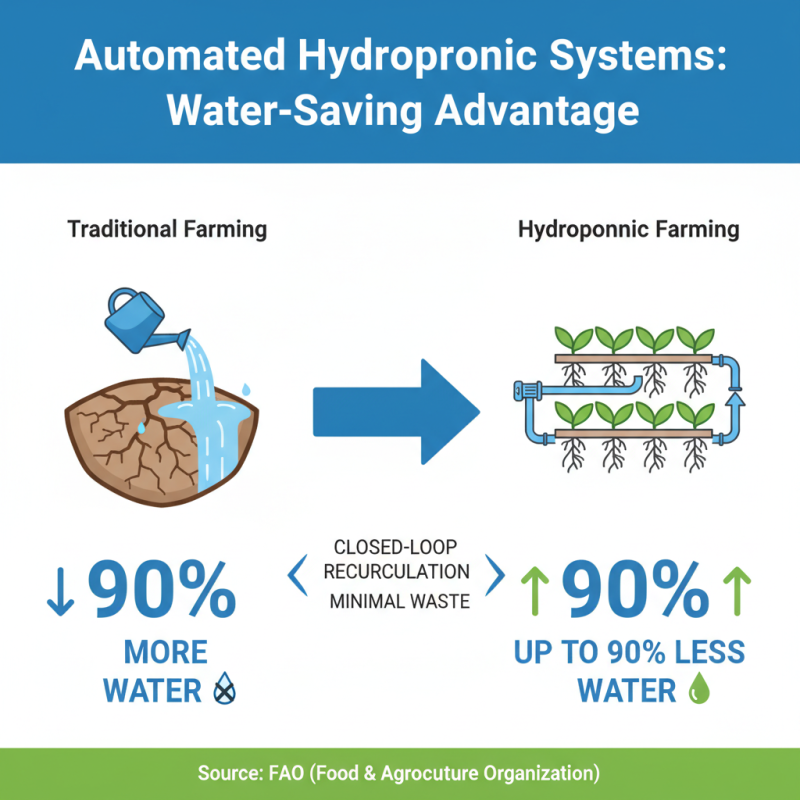
Automated hydroponic systems offer significant advantages, particularly in water usage. Traditional farming consumes vast amounts of water, contributing to resource depletion. In contrast, hydroponic systems use up to 90% less water. This is achieved through a closed-loop system where water is recirculated, minimizing waste. A study by the Food and Agriculture Organization highlighted that hydroponics can produce crops with minimal environmental impact.

These systems provide precise water management. Sensors monitor moisture levels, ensuring plants receive optimal hydration. This efficiency can lead to healthier crops. Moreover, reduced water consumption directly correlates with lower operational costs. Farms can reallocate resources to enhance yield and quality instead. Yet, the initial setup costs can be daunting. Every farmer must weigh the long-term benefits against the upfront investment.

**Tips:** Consider starting small. Test a compact hydroponic system before scaling up. Monitor water usage closely for best results. Remember to evaluate your local climate. Excess humidity can affect system efficiency. Balancing water and environmental conditions is crucial for success.
Impact of Precise Nutrient Control on Crop Yield and Quality

Top 10 Benefits of Automated Hydroponic Systems for Modern Farming

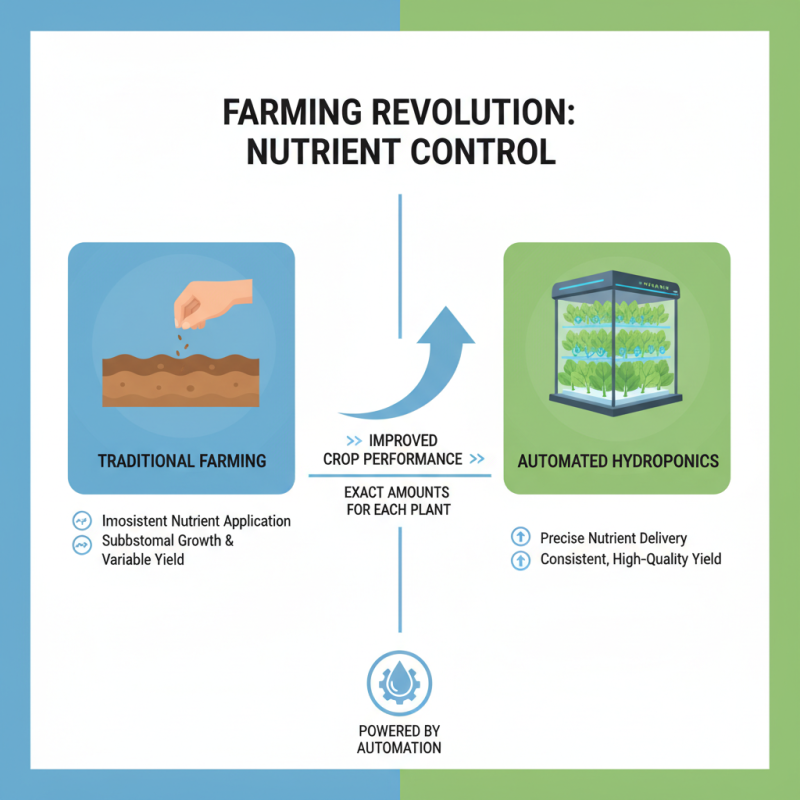
Automated hydroponic systems bring a revolutionary approach to modern farming. They offer precise nutrient control, significantly affecting crop yield and quality. In traditional farming, nutrient application can be inconsistent. This variability often leads to suboptimal growth. With automation, nutrients are delivered in exact amounts, tailored to the specific needs of each plant.

The impact of this precise control is remarkable. Crops receive the right nutrients at the right time. This consistency fosters healthier plants. However, the challenge lies in managing the system's complexities. Miscalibrated settings can lead to nutrient imbalances. This may reduce quality rather than enhancing it. Therefore, constant monitoring is essential.

In terms of quality, hydroponically grown crops often exhibit richer tastes and better texture. The absence of soil reduces the risk of pests and diseases. Yet, the reliance on technology can be daunting. Are we truly prepared for potential malfunctions? This uncertainty leads to a balancing act between innovation and dependency. It's a careful dance that every modern farmer must navigate.

Improving Crop Cycle Times Through Automated Growth Monitoring

Automated hydroponic systems revolutionize modern farming. These systems enable efficient growth monitoring. Farmers can now track crop health in real time. This allows for quick adjustments to nutrient levels. Each plant receives tailored care based on its specific needs. Such a precise approach can enhance growth rates significantly.

Crop cycle times improve through automation. Data-driven insights lead to faster harvesting. But not every farmer is fully equipped for this change. Some may lack technical expertise. Others might struggle with the initial investment costs. It's crucial to consider these factors before jumping in. Balancing technology and traditional methods could lead to a better outcome.

Incorporating automated monitoring might seem daunting. Yet, the potential rewards are hard to ignore. Farmers must reflect on their goals and resources. This approach isn’t one-size-fits-all. Each grower can adapt it to their own circumstances, leading to unique solutions. Embracing technology requires thoughtful planning and willingness to learn.

Enhancing Labor Efficiency with Smart Hydroponic Technology

Automated hydroponic systems are revolutionizing modern farming. They enhance labor efficiency significantly. A report by the International Journal of Agricultural Technology found that these systems can increase crop yields by up to 30%. This is largely due to reduced manual labor requirements and optimal resource management.

Smart hydroponic technology employs sensors and data analytics. These tools monitor plant growth and environmental conditions in real-time. However, reliance on technology raises questions. What happens if the system fails? Farmers need backup plans. A small error in data can lead to crop losses. Training staff to manage these systems is essential but often overlooked.

The industry is growing rapidly, yet there is room for improvement. Only about 15% of farmers currently use automated systems. Barriers include high initial costs and a lack of technical knowledge. Addressing these challenges will be crucial as we move forward in agricultural practices.

Top 10 Benefits of Automated Hydroponic Systems for Modern Farming

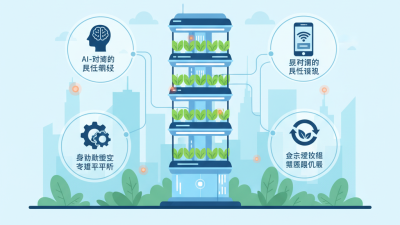
This chart represents the various benefits associated with automated hydroponic systems, showcasing how these systems enhance labor efficiency in modern farming.

Sustainability Benefits of Automated Hydroponic Systems in Urban Farming

Automated hydroponic systems are transforming urban farming. These systems use technology to optimize growth conditions for plants. This efficiency leads to higher yields and is crucial for sustainable agriculture. A USDA report shows that hydroponics can yield up to 20 times more than traditional farming in the same area.

The sustainability benefits of these systems extend beyond just increased productivity. They use 90% less water than conventional farming. This reduction is vital in urban areas where water scarcity is a growing concern. Moreover, automated systems minimize the need for pesticides, creating healthier food options for consumers. Urban farming, powered by hydroponics, contributes to lower carbon footprints. It reduces transportation emissions since food can be grown closer to where it is consumed.

Tips: Consider integrating smart sensors to monitor plant health. Regular data analysis can enhance growth parameters. Also, reflect on your energy sources. Using renewable energy options can further increase sustainability. Balance efficiency with the need for a diverse ecosystem in your farming practices.

Top 10 Benefits of Automated Hydroponic Systems for Modern Farming

Benefit Description Sustainability Impact
Water Efficiency Uses 90% less water than traditional soil farming. Conserves water resources and reduces wastage.
Space Saving Can be implemented vertically, maximizing limited urban space. Supports urban agriculture initiatives.
Reduced Chemical Use Minimized pesticide and fertilizer use due to controlled environments. Promotes healthier ecosystems and reduces soil contamination.
Higher Yield Increased production per square meter compared to traditional farming. Provides more food in smaller areas, reducing land use pressure.
Year-Round Production Enables continuous cropping regardless of seasonal changes. Lowers reliance on imported foods and supports local economy.
Energy Efficiency Modern systems utilize renewable energy sources effectively. Reduces carbon footprint and fossil fuel dependency.
Less Land Degradation No soil erosion and minimizes habitat destruction. Helps preserve biodiversity in agricultural practices.
Smart Technology Integration Utilizes IoT and automation for optimal growth conditions. Enhances resource management and operational efficiency.
Community Engagement Encourages local participation and knowledge sharing. Strengthens community ties and promotes sustainability awareness.
Improved Food Quality Produces fresher and more nutritious food with reduced spoilage. Promotes better health outcomes and reduces food waste.