Best 10 Automated Hydroponic Systems for Growing Plants at Home
In recent years, the popularity of home gardening has surged, with many enthusiasts seeking efficient and innovative methods to cultivate their plants. Among the various techniques available, the automated hydroponic system stands out as a game-changer for both novice and experienced gardeners. By leveraging technology, these systems allow individuals to grow plants without the limitations of traditional soil gardening, offering a space-saving and sustainable solution that is perfect for urban living.
An automated hydroponic system utilizes nutrient-rich water to facilitate plant growth, while automation features enable users to maintain optimal growing conditions with minimal effort. This technology not only simplifies the cultivation process but also enhances plant health and yields. As the demand for homegrown produce continues to rise, investing in an automated hydroponic system has never been more appealing. In this guide, we will explore the best 10 automated hydroponic systems available, highlighting their features, benefits, and why they are essential for anyone looking to create a thriving indoor garden. Whether you're aiming to grow herbs, vegetables, or ornamental plants, these systems provide the perfect solution for creating a lush, productive space right in your home.
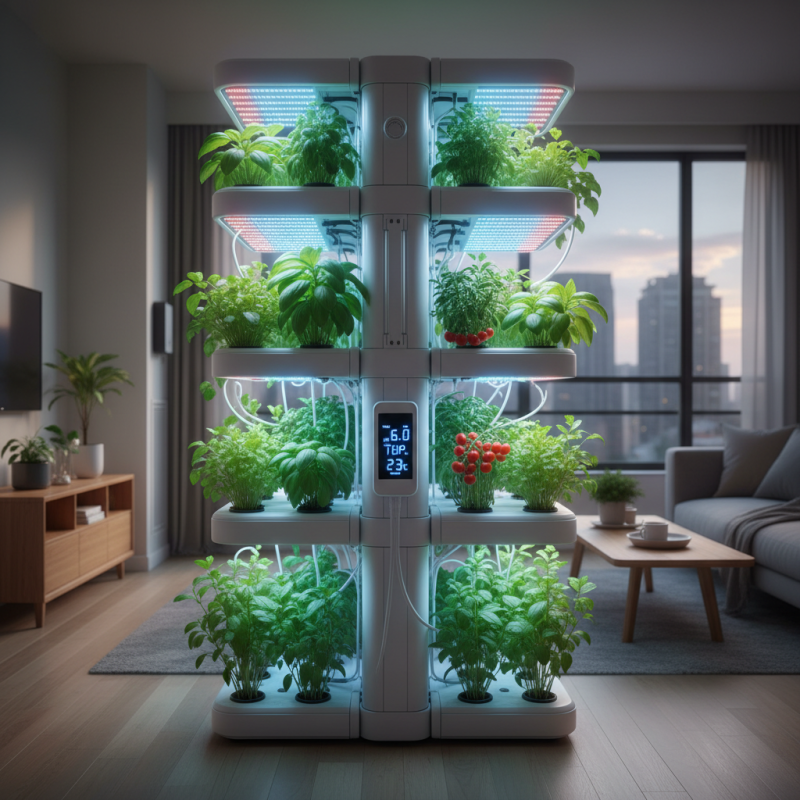
Overview of Automated Hydroponic Systems and Their Benefits
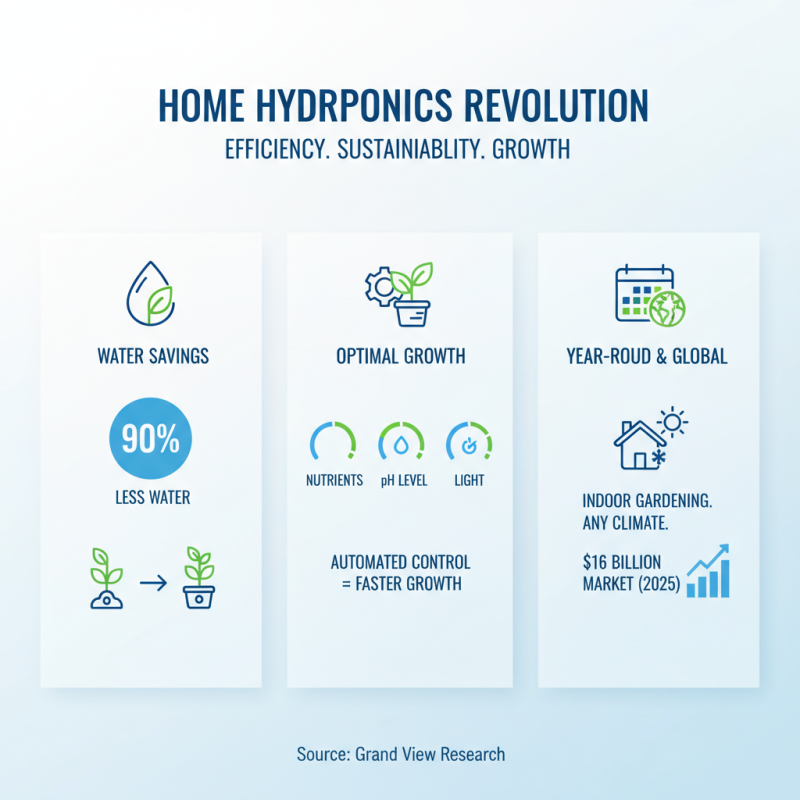
Automated hydroponic systems have transformed the landscape of home gardening, offering a high-efficiency alternative to traditional soil planting. According to a report by Grand View Research, the hydroponics market is projected to reach $16 billion by 2025, highlighting the increasing popularity of soil-less growing methods. These systems utilize advanced technologies to control nutrient delivery, pH levels, and light exposure, allowing for optimal plant growth. Not only do they save water—up to 90% compared to conventional farming—but they also enable year-round gardening regardless of climate conditions.
One major advantage of automated hydroponic systems is their ability to minimize human intervention. With sensors and automated scheduling, these systems ensure that plants receive the exact nutrients and conditions they need, resulting in healthier plants and higher yields. For those interested in starting their own setup, consider starting small with a countertop system that fits your space, balancing efficiency with accessibility.
**Tips:** Always monitor your system’s pH and nutrient levels regularly to avoid deficiencies. Consider incorporating LED grow lights to enhance photosynthesis, especially in lower light environments. Lastly, research different plants and their specific growth requirements to maximize your gardening success in an automated system.
Key Features to Consider When Choosing Hydroponic Systems
When selecting an automated hydroponic system for home gardening, several key features should be carefully considered to ensure a successful growing experience.
First and foremost, assess the system's size and capacity. Depending on the available space and the quantity of plants you wish to grow, opting for a compact system might be ideal for small apartments, while larger setups can accommodate more extensive gardens.
Additionally, understanding the type of hydroponic method—such as nutrient film technique (NFT), deep water culture (DWC), or aeroponics—will influence the system's efficiency and plant growth rates.
Another essential aspect to consider is the automation level of the system. Look for features like automated nutrient delivery, pH monitoring, and environmental controls, which can simplify the gardening process and lead to healthier plants.
Additionally, consider the ease of setup and maintenance, as some systems may require more frequent cleaning or management than others.
Integrating these features into your choice will ultimately contribute to a sustainable and enjoyable hydroponic gardening journey at home.
Top 10 Automated Hydroponic Systems for Home Use
Automated hydroponic systems have surged in popularity among home gardeners, providing an efficient and sustainable way to grow plants indoors. These systems can simplify the cultivation process by monitoring nutrient levels, water pH, and light exposure, allowing you to focus more on enjoying your plants rather than managing them. When choosing a system, consider factors like space, plant types, and overall user experience, as these will significantly influence your success in home gardening.
Tips: Before investing in an automated hydroponic system, assess the amount of space you have available. Compact systems are ideal for small apartments, while larger setups may be better suited for a dedicated gardening area. Additionally, try to choose a system that offers adjustable parameters, enabling you to customize conditions according to the specific needs of your plants.
Another key consideration is the ease of maintenance. Look for systems with simple cleaning processes and reliable components, as this will save you time and ensure a healthier growing environment. Regular monitoring and fine-tuning will lead to thriving plants, making your home garden a beautiful and fruitful oasis.
Comparative Analysis of System Efficiency and Yield Rates
When considering automated hydroponic systems for home gardening, efficiency and yield rates are pivotal factors that can significantly influence a gardener's experience.
A comparative analysis reveals that systems utilizing advanced technologies such as LED grow lights and automated nutrient delivery significantly enhance plant growth.
These innovations not only optimize light exposure and nutrient absorption but also reduce human error, leading to better overall plant health and productivity.
Moreover, different hydroponic systems exhibit varying levels of efficiency in nutrient and water usage.
Systems like Nutrient Film Technique (NFT) and Deep Water Culture (DWC) demonstrate superior yield rates compared to traditional methods by providing plants with constant access to water and nutrients.
This ensures faster growth cycles and a higher return on investment for home growers.
By examining these performance metrics, it becomes evident that selecting the right automated hydroponic system is crucial for maximizing yield and minimizing resource waste in home gardening setups.
Cost-Effectiveness and Maintenance of Hydroponic Systems in Homes
Hydroponic systems have gained immense popularity among home gardeners due to their cost-effectiveness and reduced maintenance needs. According to a report by Grand View Research, the global hydroponics market is projected to grow at a compound annual growth rate (CAGR) of 23.5% from 2021 to 2028. This growth is largely driven by the increasing demand for fresh produce and the limitations posed by traditional soil-based gardening. Hydroponic systems can significantly reduce water usage—by up to 90% compared to conventional agriculture—making them an attractive option for environmentally-conscious consumers looking to grow food at home.
In addition to water efficiency, hydroponic systems often require less labor and fewer resources to maintain. A study published by the Agricultural University of Georgia highlighted that maintenance costs for hydroponic crops could be 30% lower than those for soil-grown plants due to the elimination of soil-related pests and diseases. This not only translates to lower expenditure but also allows urban gardeners to enjoy a more sustainable and hassle-free gardening experience. With initial investments averaging between $200 and $500 for automated systems, the long-term savings on water, labor, and grocery bills can be substantial, making hydroponics an increasingly viable solution for growing plants at home.