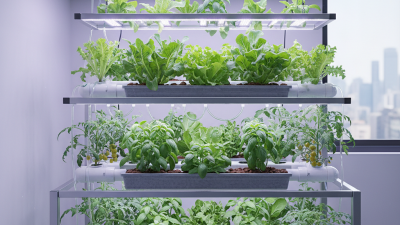
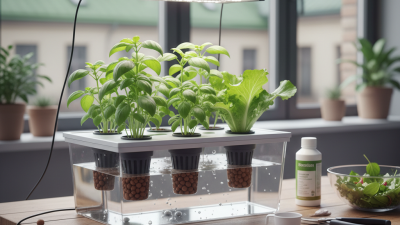
What is an Automated Hydroponic System and How Does it Work?
The rising interest in sustainable agriculture has brought attention to the automated hydroponic system. These systems optimize growth conditions for plants without soil. According to research from MarketsandMarkets, the hydroponics market is expected to reach $16 billion by 2025. This shift highlights the increasing demand for efficient farming methods.
Automated hydroponic systems use technology to monitor and control nutrient delivery, light, and water. They reduce labor costs, as many processes are computer-managed. However, they pose challenges like dependency on technology and potential system failures. Many growers report difficulties in initial setups and maintenance, raising concerns about long-term feasibility.
Despite these challenges, the benefits are clear. These systems can yield crops faster and use less water compared to traditional farming. They also allow for year-round production in various climates. As the technology evolves, addressing the imperfections in system reliability will be crucial for widespread adoption. The future of farming may hinge on refining automated hydroponic systems to better serve farmers and consumers alike.
What is Hydroponics and Its Benefits for Food Production
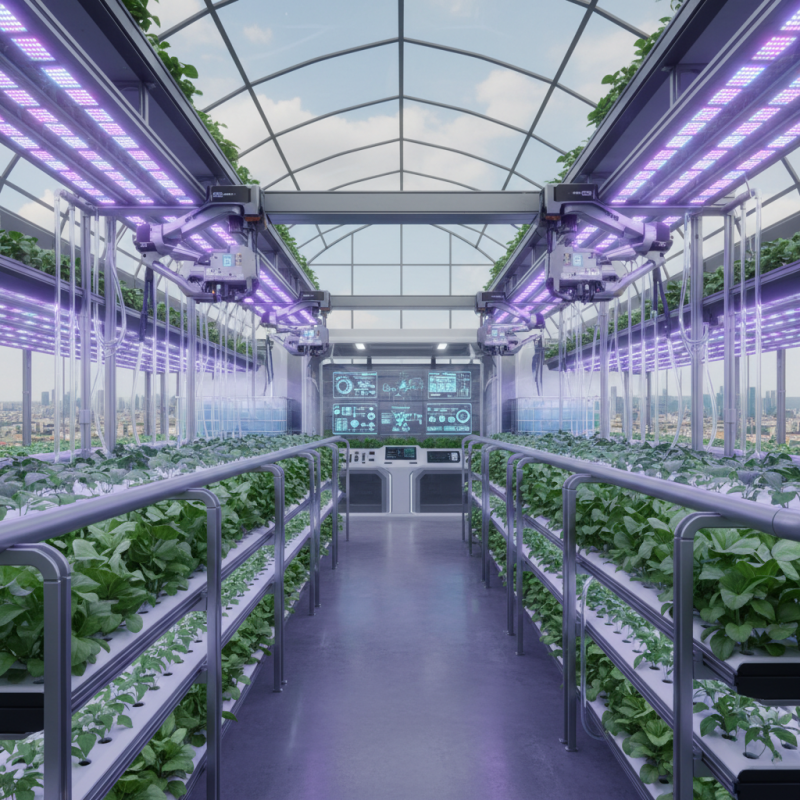
Hydroponics is a method of growing plants without soil. Instead, plants are nurtured in a nutrient-rich water solution. This technique offers several benefits for food production. First, hydroponics can conserve water. It uses up to 90% less water compared to traditional farming. The system recycles water efficiently. Plus, there’s no runoff that can pollute nearby areas.
Another advantage is space efficiency. Hydroponics allows for vertical gardening. This means growing more food in less space. Urban areas can utilize rooftops for food production. Yet, it's important to note that this system requires initial investment. Setting up the infrastructure can be costly.
The controlled environment also aids in pest management. Without soil, pests are often less of a problem. However, the reliance on technology can lead to failures. A power outage can jeopardize a crop. Learning to balance these aspects is crucial for success. Overall, exploring hydroponics can yield fresh produce while minimizing environmental impact.
What is an Automated Hydroponic System and How Does it Work?
| Aspect |
Details |
| Definition |
An automated hydroponic system uses technology to grow plants in nutrient solutions without soil. |
| Key Components |
Nutrient reservoir, pumps, growing mediums, LED lights, sensors. |
| Water Usage |
Uses up to 90% less water compared to traditional farming. |
| Benefits |
Faster growth rates, reduced pest problems, year-round production. |
| Challenges |
Initial setup costs, technology dependency, requires knowledge of systems. |
| Common Crops |
Lettuce, tomatoes, cucumbers, herbs. |
Key Components of an Automated Hydroponic System
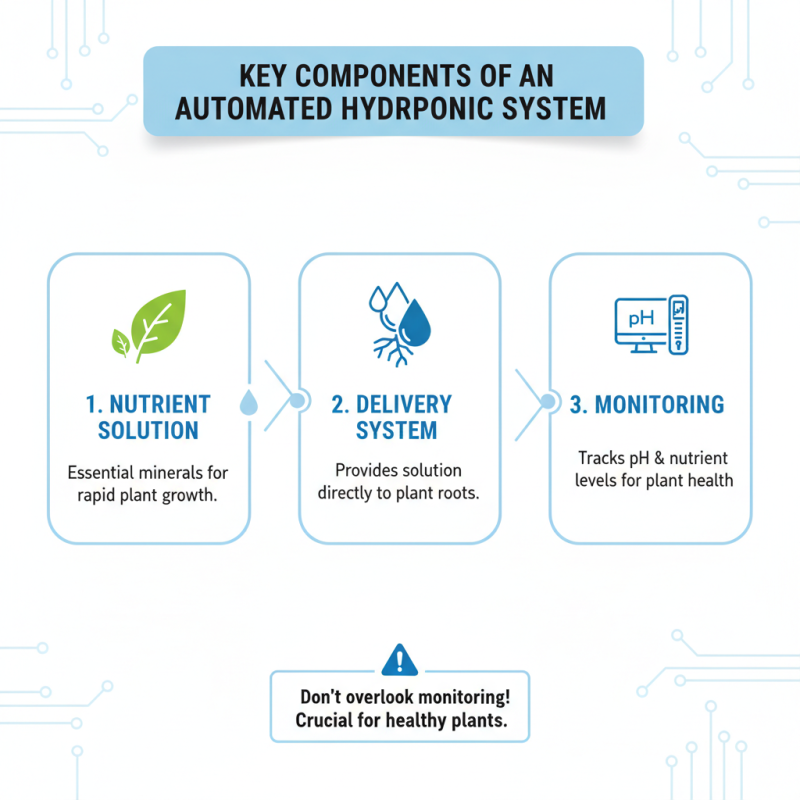
Automated hydroponic systems revolutionize how we grow plants. One key component is the nutrient solution, rich in the essential minerals plants need. This liquid is delivered directly to the plant roots, promoting rapid growth. The solution's pH and nutrient levels must be monitored regularly. It's easy to overlook this step, which can lead to poor plant health.
Another important element is the growing medium. While many systems use rock wool or clay pellets, each medium has pros and cons. Some retain moisture better, while others provide better aeration. Choosing the right one can be a daunting task for beginners. A poorly chosen medium might hinder plant growth, resulting in frustration.
Lighting is also crucial. LED lights or fluorescent bulbs are common. They simulate sunlight, but many forget their placement. Too close, and the plants can scorch; too far, and growth stunts. It's a balancing act that requires regular adjustment. Observing your plants closely is vital. Some may show signs of light stress or nutrient deficiencies, yet recognizing these signs takes practice and patience.
How Automation Enhances Hydroponic Efficiency and Yield
Automated hydroponic systems integrate technology to optimize plant growth without soil. They control factors like nutrient delivery, water levels, and light exposure. Such systems enhance efficiency significantly. By monitoring environmental conditions, these setups can adjust automatically. This reduces the need for human intervention.
Automation improves yield by ensuring plants receive precise care. Sensors detect when crops need water or nutrients. Timers regulate light cycles. This level of control can lead to faster growth rates and healthier plants. However, automation isn’t flawless. Technical glitches can disrupt growth patterns. A minor sensor failure might lead to over-watering.
The initial setup may require a steep learning curve. Beginners might struggle with calibration and programming. Moreover, reliance on technology can be daunting. If systems fail, the consequences can be severe. Balancing automation with hands-on management is vital for success.
Understanding the Nutrient Delivery System in Hydroponics
Hydroponics relies heavily on an efficient
nutrient delivery system. This system supplies plants with essential nutrients directly through the water.
Instead of soil, which can be unpredictable, hydroponics allows for precise control over nutrient levels.
This is crucial for the health and yield of plants grown in these systems.
The nutrient solution usually contains a mix of macronutrients and micronutrients. Common elements include
nitrogen, phosphorus,
potassium, and magnesium.
These nutrients are dissolved in water and delivered to the roots. Timing and concentration of these solutions
can make or break a harvest. Too much or too little can lead to poor growth or nutrient burn.
However, setting up a nutrient delivery system is not without its challenges. Maintaining the right pH levels is
essential for nutrient absorption. A slight deviation can affect plant health. Regular monitoring is crucial, yet
it can be tedious. Many growers struggle with consistency in their systems. These factors often lead to unexpected
outcomes, prompting a need for careful adjustments.
Monitoring and Controlling Environmental Conditions in Hydroponics
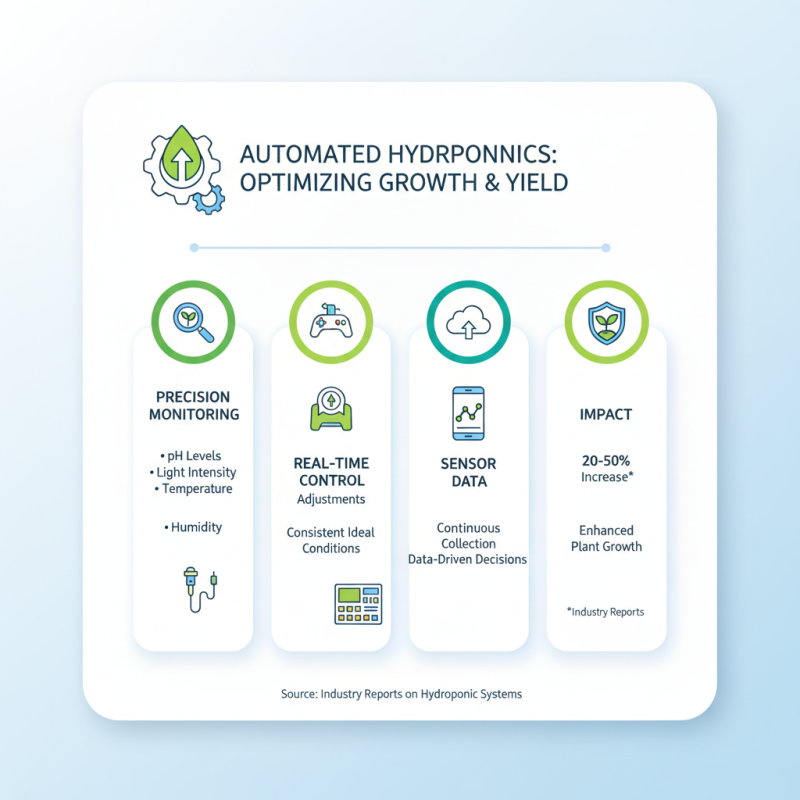
Automated hydroponic systems offer a promising solution for modern agriculture. They allow precise monitoring and control of environmental conditions, which is crucial for plant growth. According to industry reports, optimizing these conditions can increase yield by 20-50%. This system monitors variables like pH, light levels, temperature, and humidity in real time. Sensors collect data continuously, ensuring plants receive ideal conditions for growth.
Temperature control is vital. If temperatures rise too high, plants stress, slowing growth. A study revealed that extreme temperature fluctuations can reduce yields by up to 30%. Similarly, pH levels affect nutrient absorption. Maintaining a pH between 5.5 and 6.5 is essential for most crops. Automated systems can adjust levels automatically, but improper calibration can lead to nutrient lockout.
Humidity management is another critical factor. Excess humidity can promote diseases like powdery mildew. Conversely, low humidity can cause transpiration stress. Automated systems often adjust humidity levels, but they are not infallible. Unexpected spikes can still occur, requiring manual intervention. This highlights the need for continuous monitoring, even in automated setups. Environmental conditions must be controlled to ensure optimal growth and maximum yield.