What is an Aquaponics System and How Does It Work?
In recent years, the aquaponics system has gained traction as a sustainable solution for food production. Dr. Lisa Nguyen, an expert in sustainable agriculture, highlights its potential by stating, “Aquaponics combines fish farming and plant cultivation, creating a symbiotic environment. It’s nature working efficiently.” This innovative system utilizes fish waste as a nutrient source for plants, while plants help filter and purify the water for fish.
Aquaponics systems are designed to work together seamlessly, promoting a cycle of growth and sustainability. They mimic natural ecosystems, delivering benefits to both aquatic and terrestrial life. However, the complexity of maintaining the right balance between fish and plants can be challenging for beginners. It requires monitoring water quality and ensuring the right species are chosen for the system.
While many see aquaponics as a revolutionary practice, it is not without its criticisms. Some argue it can be resource-intensive, especially regarding energy usage. Thus, ongoing improvements are essential. By understanding the science behind aquaponics, enthusiasts can better appreciate its impacts and address its limitations. As we explore these systems, we uncover the potential and challenges of aquaponics in our modern world.
What is Aquaponics?
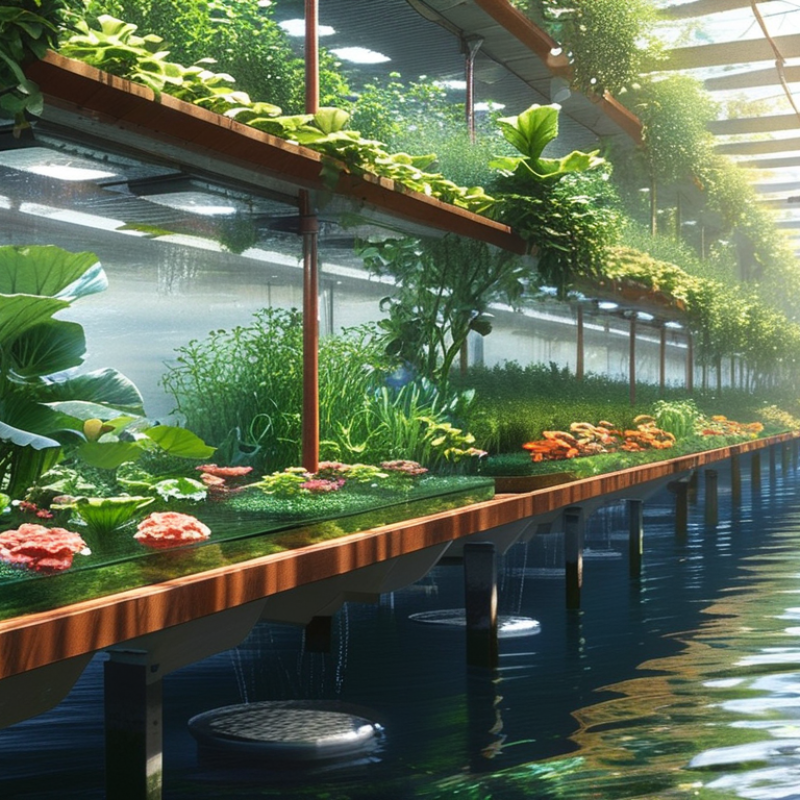
Aquaponics is an innovative farming method that combines aquaculture and hydroponics. In simpler terms, it allows fish and plants to coexist in a symbiotic environment.
Fish waste provides nutrients for plants, while plants help filter and purify the water for the fish. This creates a closed-loop system that minimizes waste and maximizes production.
Many people are intrigued by aquaponics because it offers a space-efficient way to grow food. You can raise fish like tilapia or catfish alongside vegetables like lettuce and herbs. It's captivating to see how these species support each other in a self-sustaining ecosystem.
However, managing the balance between fish and plants can be challenging. Issues like overfeeding fish or pest infestations may arise, leading to failures. Maintaining stable water quality is also crucial and requires continuous monitoring.
While aquaponics is appealing for sustainable farming, it's not without its flaws. Many new practitioners struggle with the initial setup and the learning curve can be steep. Each system is unique, requiring adjustments based on specific fish and plant needs. As more people dive into aquaponics, the community's shared experiences will help improve practices.
Key Components of an Aquaponics System
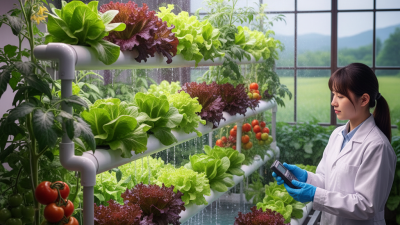
An aquaponics system combines aquaculture and hydroponics to create a sustainable ecosystem. The system relies on key components, including fish tanks, biofilters, grow beds, and water pumps. Fish provide nutrients through their waste, which benefits the plants. This symbiotic relationship is efficient and can produce food in limited spaces.
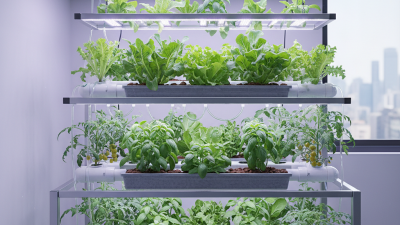
The fish tank is crucial. Species such as tilapia or catfish are popular for aquaponics. They thrive in a controlled environment and can yield significant biomass. Grow beds hold various plants, from leafy greens to herbs. Studies suggest aquaponics can increase plant growth rates by 30% compared to traditional methods.
A biofilter converts ammonia from fish waste into nitrates. Regular maintenance is essential to keep this process efficient. Water pumps circulate water between fish tanks and grow beds, maintaining balance. Over time, systems may require adjustments due to algae growth or tank size. While aquaponics offers promise, it’s essential to address these challenges for success. Regular monitoring and adaptation are vital to this evolving method of food production.
The Science Behind Aquaponics: How It All Works
Aquaponics combines aquaculture and hydroponics. This system creates a balanced ecosystem where plants and fish thrive together. The fish produce waste that acts as a nutrient source for plants. In return, the plants filter the water for the fish. Research shows that aquaponics can produce 10 times more crops than traditional farming methods. This efficiency is crucial for feeding the growing global population.
The science behind aquaponics is fascinating. A study by the University of California indicated that plants in aquaponic systems often grow faster due to the availability of nutrients from fish waste. Some systems can produce vegetables in as little as six weeks. However, maintaining the right pH levels and nutrient balance can be challenging. An imbalance may lead to poor plant growth or fish health issues.
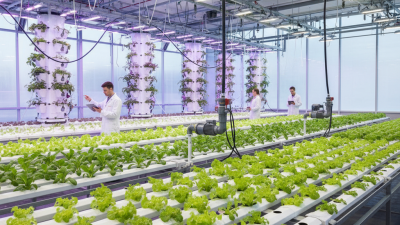
Incorporating technology can enhance these systems. Sensors and monitoring tools can help maintain water quality. Yet, many aquaponics growers find these systems complicated. They require consistent attention and knowledge of both aquatic and plant health. While aquaponics offers sustainable advantages, it also demands a commitment to continuous learning and adaptability.
Benefits of Using Aquaponics for Sustainable Agriculture
Aquaponics combines aquaculture and hydroponics, creating a self-sustaining ecosystem. This innovative method offers numerous benefits for sustainable agriculture. Recent studies show that aquaponics can produce up to 10 times more crops per square foot compared to traditional farming. Additionally, it uses up to 90% less water, making it an effective solution for regions facing water scarcity.
One significant advantage of aquaponics is its ability to reduce chemical input. In this system, fish waste provides organic nutrients for plants, eliminating the need for synthetic fertilizers. Over time, this practice contributes to healthier soil and improved crop quality. A report by the National Sustainable Agriculture Coalition highlights that aquaponics can bolster local economies by creating jobs and promoting food security.
When starting an aquaponics system, consider the type of fish and plants that thrive together. Catfish and tilapia are popular choices, often growing well with leafy greens. Monitor water pH levels regularly; this ensures a balanced environment for optimal growth.
Maintaining your system requires ongoing observation. Be aware of potential challenges, such as disease management or species compatibility. Regular checks can prevent complications. Engaging with aquaponics communities can provide valuable insights and support.
What is an Aquaponics System and How Does It Work? - Benefits of Using Aquaponics for Sustainable Agriculture
| Dimension |
Description |
Example Value |
| Water Quality |
Essential for fish health and plant growth |
pH: 6.5 - 7.5 |
| Fish Species |
Types of fish suitable for aquaponics systems |
Tilapia, Trout |
| Plant Types |
Varieties of plants commonly grown |
Lettuce, Herbs |
| System Size |
Area required for the system |
100 - 500 sq. ft. |
| Yield |
Expected production of fish and plants |
200 lbs fish, 100 lbs plants/month |
| Water Usage |
Water efficiency compared to traditional farming |
90% less than soil agriculture |
| Environmental Impact |
Sustainability and ecological benefits |
Reduces carbon footprint, no chemicals |
Common Challenges and Solutions in Aquaponics Systems
Aquaponics systems combine aquaculture and hydroponics. They create a self-sustaining ecosystem. However, several challenges exist. A key issue is maintaining water quality. Fish waste offers nutrients for plants, but it can also introduce toxins. Regular monitoring of pH and ammonia levels is essential. Research shows that 30% of aquaponic systems fail due to inadequate water management.
Another challenge is pest control. In traditional farming, pesticides are common. In aquaponics, this is not an option. Integrated pest management must be applied. Natural predators, like ladybugs, can help. Yet, finding the right balance can be tricky. Industry reports suggest that 20% of aquaponics farms struggle with pest issues, impacting crop yields.
Crop selection also poses difficulties. Some plants thrive in aquaponics, while others do not. Lettuce and herbs are popular, but growing fruiting plants can be more complex. Issues with nutrient availability can arise. This highlights the need for tailored nutrient solutions. The National Aquaponics Association found that nearly 40% of growers switch crops after initial failures. The learning curve is steep, and not every choice leads to success.