2026 Top High Tunnel Greenhouse Innovations for Your Growing Needs?
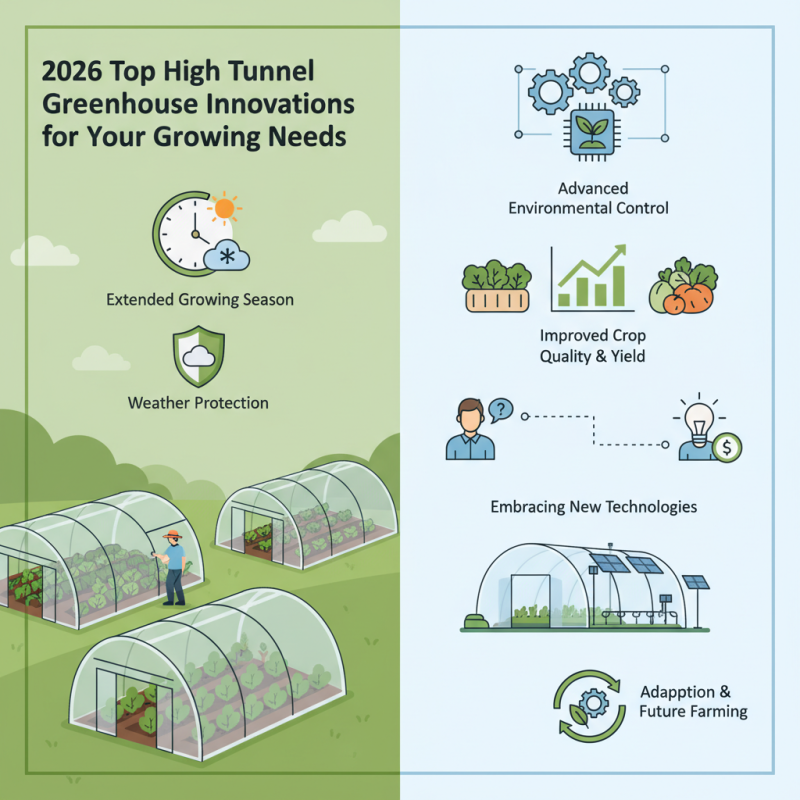
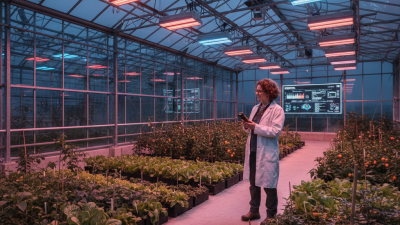
In the ever-evolving world of agriculture, high tunnel greenhouses are becoming essential. These structures provide clear advantages for growers. They extend the growing season, offering protection from unpredictable weather. With innovations on the horizon, 2026 promises exciting developments.
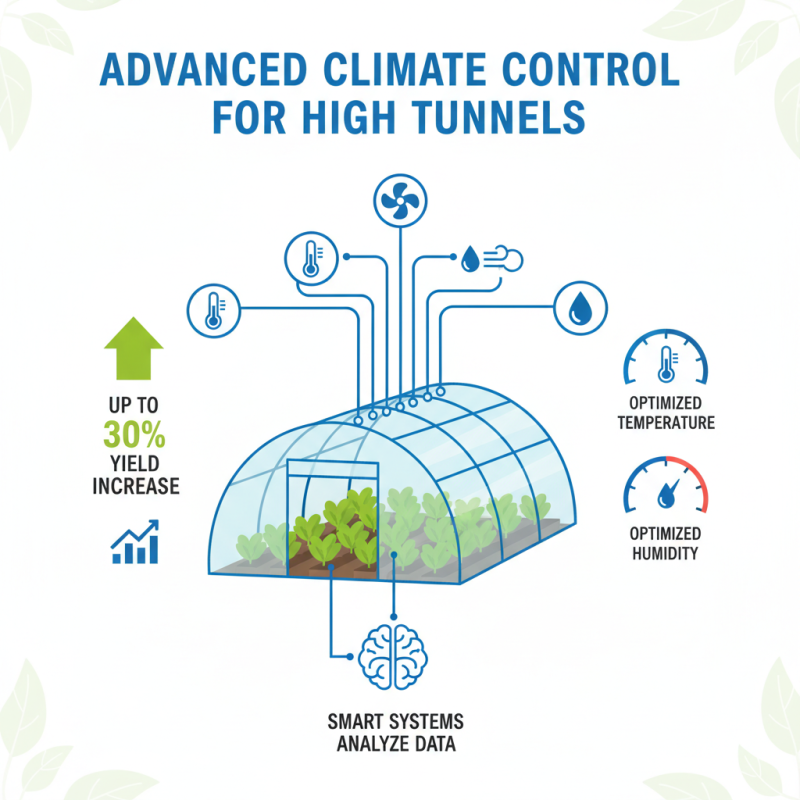
Farmers are increasingly adopting high tunnel greenhouses. They allow for better control over the environment. This control directly impacts crop quality and yield. However, challenges remain. Not every grower understands the best practices for maximizing these innovations.
Embracing new technologies can be daunting. Many growers hesitate to invest in advanced systems. Yet, the potential benefits are significant. Innovations in high tunnel greenhouses may transform how we approach farming. As we prepare for the future, it is crucial to reflect on our methods and adapt accordingly.
Top Features of 2026 High Tunnel Greenhouses for Optimal Plant Growth
High tunnel greenhouses are becoming essential for effective plant growth in 2026. These structures offer unique features that enhance the growing environment. They improve temperature regulation, allowing crops to flourish earlier in spring and later into fall. With better airflow options, plants can reduce stress and diseases. A carefully designed high tunnel enhances photosynthesis and promotes healthy growth.
Another significant aspect is the use of advanced materials. New plastics and coatings improve light diffusion and UV protection. These materials help conserve energy while allowing essential sunlight to reach the plants. Moreover, adjustable ventilation systems enable growers to control humidity and reduce excess moisture. However, some growers may find the initial setup challenging. Balancing cost and efficiency requires careful planning.
Water management remains a concern for many. Drip irrigation systems, while effective, can be tricky to set up. They must be carefully calibrated to avoid overwatering or underwatering. It is crucial to ensure that the entire system functions as intended. Regular maintenance is needed to prevent clogs and leaks. On top of that, understanding the exact needs of various crops can be complex. Each plant may require different moisture levels and nutrient inputs.
Innovative Materials for Enhanced Durability in High Tunnel Structures
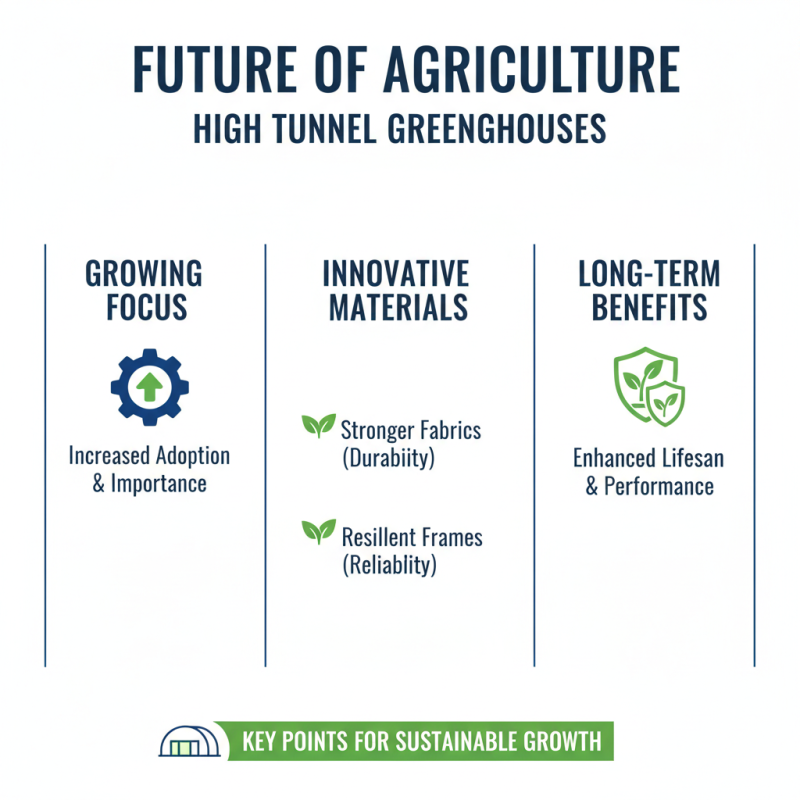
As we look toward the future of agriculture, the focus on high tunnel greenhouses continues to grow. Innovative materials are making a significant impact. They boost the durability and reliability of these structures. Stronger fabrics and resilient frames are becoming essential for long-term use.
Composite materials, for instance, offer improved weather resistance. They help protect against UV damage and extreme temperatures. However, they can also be pricier and harder to source. Exploring new options requires careful consideration of environmental impact too. Are these materials truly sustainable?
On a practical level, the installation of advanced greenhouses challenges growers. The upfront costs can be daunting, but the long-term benefits are compelling. Proper maintenance of newer materials is crucial for maximized lifespan. Consider the benefits versus challenges. Each innovation invites reflection on how it fits into the evolving landscape of sustainable farming.
Sustainable Practices and Innovations in High Tunnel Agriculture
High tunnel greenhouses are changing agriculture. They offer growers a unique space to extend the growing season. Sustainable practices are key to this change. Using organic methods and natural pest control can improve soil health. These methods create a vibrant ecosystem within the tunnel. Growers often notice the benefits, but results can take time.
Innovations in high tunnel design help conserve resources. Rainwater harvesting systems can collect precious rainfall for irrigation. Efficient ventilation systems improve air circulation. These features lower energy use and increase productivity. However, implementing such systems requires investment and careful planning. Not every farmer has the budget or resources to adopt these technologies right away.
Farmers are learning to adapt. Some struggle with the learning curve of new techniques. Others find it hard to keep up with changing regulations. It's important to share knowledge within communities. Collaboration can lead to better solutions that benefit everyone. As the focus shifts to sustainable agriculture, creating supportive networks is essential for success.
2026 Top High Tunnel Greenhouse Innovations for Your Growing Needs
Emerging Technologies for Efficient Water Management in Greenhouses
Efficient water management in greenhouses is crucial in today’s agricultural landscape. With global water scarcity on the rise, innovative technologies are emerging. For instance, drip irrigation systems can reduce water usage by 30-50%. This efficiency is vital for modern growers.
One promising development is the integration of sensors that monitor soil moisture levels. These devices help farmers water only when necessary, leading to a decrease in overall water consumption. The latest reports indicate that such systems can improve crop yields by up to 20%. However, the initial investment can be high, and farmers may hesitate to adopt these technologies.
Moreover, rainwater harvesting systems are gaining traction. They collect and store rainwater for greenhouse use. This method can offset water costs significantly. However, the technology's maintenance requires continuous attention and may pose challenges for some grower operations. Balancing innovation with practicality remains a critical consideration for those in the field.