2026 Best Seaweed Fertilizer Benefits for Global Buyers?
As global buyers seek sustainable solutions for agriculture, the spotlight turns to Seaweed Fertilizer. Rich in nutrients, this organic option offers numerous benefits for soil health and plant growth. Seaweed fertilizer is derived from marine algae, packed with vitamins, minerals, and trace elements. Its natural composition enhances soil structure and microbial activity.
Many farmers and gardeners have reported improved crop yields after using seaweed fertilizer. It aids in water retention and strengthens plants against pests and diseases. However, effectiveness can vary based on crop type and application methods. Buyers should consider location and climate for optimal results.
While seaweed fertilizer presents significant advantages, awareness is essential. Misunderstandings about its application can lead to subpar outcomes. Therefore, thorough research is necessary for buyers. It’s crucial to connect with reputable suppliers who understand the intricacies of seaweed-based products.
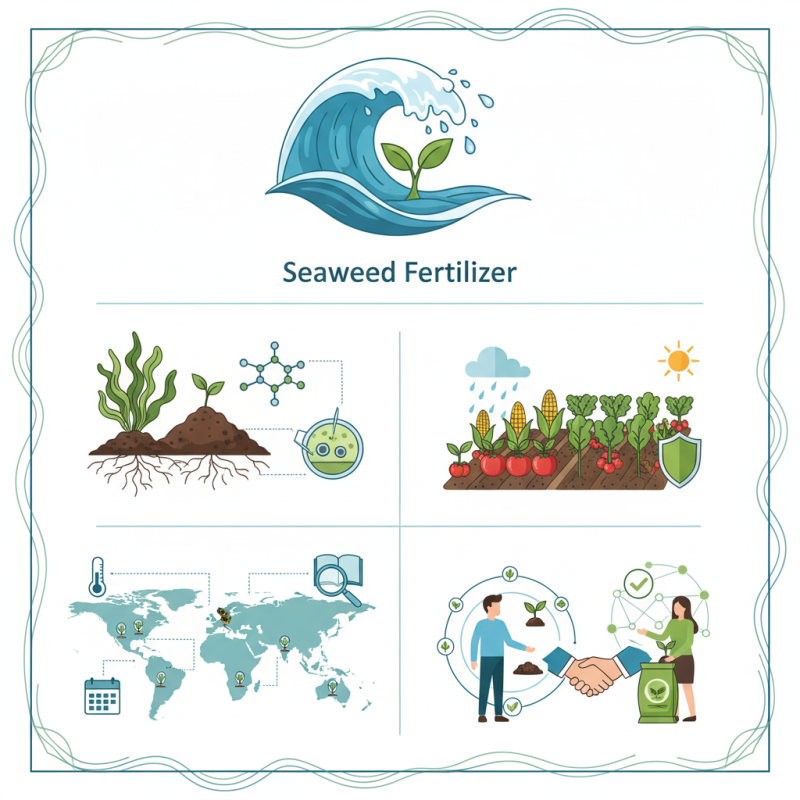
Overview of Seaweed Fertilizer and Its Popularity in Agriculture
Seaweed fertilizer has gained significant popularity in agriculture due to its natural origin and rich nutrient profile. Farmers increasingly turn to it for various benefits. This organic option contains beneficial micronutrients, vitamins, and minerals that promote plant growth. The use of seaweed extract can enhance soil health, improve moisture retention, and stimulate beneficial microbial activity.
Tips: When selecting seaweed fertilizer, look for options rich in potassium and nitrogen. These elements are vital for plant development. Measure the application carefully to avoid over-fertilization, which can harm your crops.
Additionally, seaweed fertilizer is known for its ability to enhance crop resilience. It can help plants better withstand drought and disease. It also supports root development, leading to improved nutrient uptake. However, understanding the specific needs of your soil type is essential. Testing soil before application ensures you’re meeting its unique requirements.
Tips: Consider alternating seaweed fertilizer with traditional options for a balanced approach. This practice can optimize nutrient availability while minimizing potential downsides. Always keep an eye on plant response, adjusting methods as needed for the best results.
2026 Best Seaweed Fertilizer Benefits for Global Buyers
Key Benefits of Using Seaweed Fertilizer for Plants and Soil Health
Seaweed fertilizer offers numerous benefits for plant and soil health, making it an attractive option for growers worldwide. One major advantage is its rich nutrient profile. Seaweed contains essential minerals, vitamins, and amino acids that promote plant growth. These nutrients help improve soil structure and enhance microbial activity. Healthy soil leads to stronger plants.
Another key benefit is the natural growth regulators found in seaweed. These compounds can stimulate plant growth and improve resistance to environmental stress. Plants treated with seaweed fertilizer often show increased tolerance to drought and disease. This resilience is crucial as climate change intensifies.
While the advantages are clear, users must consider the source and processing of seaweed products. Not all seaweed fertilizers are created equal. Some variations may contain impurities harmful to plants. Thus, it's important to research and select high-quality options. Employing seaweed in gardens and farms can be eco-friendly, but it's not without its challenges. Understanding and addressing these factors will make a significant difference in achieving optimal results.
Comparison of Different Types of Seaweed Fertilizers Available Globally
When comparing different types of seaweed fertilizers, it’s essential to understand their unique properties. These fertilizers vary in nutrient content, texture, and effectiveness. For instance, liquid seaweed extracts are popular for their quick absorption by plants. They provide immediate benefits, especially during growth spurts. These extracts are easy to apply, making them user-friendly for many gardeners.
Granulated seaweed fertilizers are another option. They offer a slow release of nutrients over time. This makes them suitable for long-term nourishment of crops. However, some users may find the transition between applying granules and observing results less satisfying. The delayed impact might lead to impatience among gardeners looking for quick results.
Different species of seaweed are sourced globally, each with distinct advantages. Ascophyllum nodosum is widely recognized for its growth-promoting properties. Yet, other varieties like Laminaria and Sargassum also have their merits. It’s crucial for buyers to evaluate their specific gardening needs and conditions. Some fertilizers may be rich in potassium, while others excel in trace minerals. Understanding these differences can guide users toward making informed decisions.
Guidelines for Selecting the Best Seaweed Fertilizer for Your Needs
Choosing the right seaweed fertilizer can substantially impact your garden's health. With the global market for seaweed fertilizers projected to reach 2.46 billion USD by 2026, understanding your options is crucial. High-quality seaweed fertilizers can enhance nutrient availability and improve soil structure. According to a study published in the Journal of Applied Phycology, seaweed extracts increase plant growth by up to 30%, highlighting their effectiveness.
When selecting seaweed fertilizer, consider the type of seaweed used. Ascophyllum nodosum is known for its high potassium content, which can help plants withstand stress. Also, look for products that undergo minimal processing to retain active compounds. Research from the International Journal of Agronomy emphasizes that less processed fertilizers often provide better results.
Additionally, verify the source of the seaweed. Sustainability matters. Overharvesting can deplete marine ecosystems. Some suppliers may not prioritize eco-friendly practices. It's essential to choose products from companies that adhere to sustainable harvesting methods. This choice not only supports the environment but also ensures higher quality in the fertilizers you use. Remember, not all seaweed fertilizers are created equal. Do your research, and consider soil tests to guide your decision.
2026 Best Seaweed Fertilizer Benefits for Global Buyers
| Benefit | Description | Nutrient Content |
| Improves Soil Health | Enhances microbial activity and soil structure. | Natural Organic Matter |
| Increases Crop Yield | Boosts plant growth and productivity. | Micronutrients (e.g., Iodine, Zinc) |
| Enhances Stress Resistance | Helps plants cope with drought and disease. | Hormones (e.g., Cytokinins) |
| Promotes Healthy Growth | Supports root development and nutrient uptake. | Vitamins and Amino Acids |
| Eco-Friendly | Sustainable and biodegradable option for fertilizers. | Organic Fertilizer Components |
Future Trends and Innovations in Seaweed Fertilizer Development
The future of seaweed fertilizer is bright, driven by innovation and sustainability. As the global agricultural landscape shifts towards eco-friendly solutions, seaweed-based products are gaining traction. Recent reports indicate the market for seaweed fertilizers is expected to grow by over 10% annually through 2026. This surge stems from their ability to enhance soil health and improve crop yields.
Innovative research is at the forefront of seaweed fertilizer development. Advanced extraction methods are increasing the bioavailability of nutrients. Scientists are exploring specific seaweed species that enhance the effectiveness of these fertilizers. The use of biostimulants derived from seaweed has shown promise, especially in improving plant resilience against climate stresses. However, there are challenges remaining in standardizing these products for global applications.
Tip: Consider applying seaweed fertilizer early in the growing season. This ensures maximum nutrient uptake by plants.
Sustainability remains a core principle driving innovation. Seaweed is a renewable resource that requires no fertilizers or pesticides to cultivate. However, careful management of seaweed harvesting is essential to prevent ecosystem disruption. Research shows that sustainable practices can enhance biodiversity while supporting crop productivity. While the benefits are clear, continuous evaluation of environmental impact is crucial.
Tip: Monitor soil health regularly to assess the effectiveness of seaweed fertilizers. Adjust your application based on observed changes.